
Ink Across Borders: Postcards, Journals, and the Return of Letters

Postcards and pen-and-paper journals are reviving letter writing on a cross-border route by turning distance into a tactile adventure filled with stamps, smudges, cancellations, and whispered stories. Here we explore how a small card and a thoughtful journal entry can carry warmth farther than any quick message, preserving human gestures that survive delays, customs queues, and shifting time zones. Expect practical tips, heartfelt anecdotes, and creative sparks guiding your words from your desk to distant hands, where paper becomes proof that attention still travels.

Tracing the Journey: How a Card Crosses Frontiers

Follow a postcard from your kitchen table to a distant mailbox as it weaves through sorting machines, airport cargo holds, regional hubs, and sleepy counters where clerks admire stamps before an inked date sends it onward. Understand why clear addresses, legible capitals, and sturdy cardstock matter when humidity rises or conveyor belts jostle corners. Along the way, tiny clues accumulate: a routing code, a faint bar mark, a second cancellation revealing a detour. Every smudge becomes an honest travel diary signed by time.

Picking Paper That Endures Miles

Choose thicker cardstock, ideally 300 gsm or close, with a matte or lightly satin finish that resists fingerprints and gentle rain. Rounded corners reduce snagging in feeders, while archival inks keep colors solid through temperature swings. Think about surface tooth: enough for pencil grip, not so rough that fine nibs scratch. Your postcard should feel like a little shield, protecting both your drawing and your message against curious machinery and a thousand careful hands.

Addressing with Global Clarity

Use uppercase letters for the destination country on the final line, place postal codes exactly as local standards require, and write street names unambiguously in Roman characters unless local conventions demand otherwise. Add a discreet return address to guard against misdirection. Avoid decorative flourishes near the zip, and keep the bottom-right quadrant clean for barcodes. These details help international clerks recognize your intent instantly, reducing reroutes, delays, and those mysterious circles postcards sometimes travel before arriving home.

Timing, Stamps, and Airmail Choices

Match stamp denominations to international rates, and add an airmail or priority label when offered, especially across oceans or mountain ranges where surface transit lingers. Weather, holidays, and strikes can stretch timelines; patience is part of the ritual. Post early in the week to catch reliable dispatches, and avoid overloading the face with stickers that confuse scanners. A clean corner for cancellation invites collectors’ joy, while your calm expectation protects the experience from anxious refreshes and hurried doubts.

Micro-Stories That Fit a Postcard

Distill a scene to its heartbeat: one image, one feeling, one question. Replace grand explanations with precise nouns and unexpected verbs. End with a promise—another card soon, a recipe enclosed next time, a shared sunrise when schedules align. Constraints encourage music in language. Turn the card over before you finish and let silence carry the last note. This is not brevity for its own sake; it is generosity through focus and humility.

Journal Entries Between Departures and Arrivals

Use your journal to stretch what the postcard compresses. Draft longer letters there, mark thoughts you’ll later abbreviate, and paste ticket stubs that recall that winding bus or solitary ferry. Sketch the station clock, list overheard phrases, trace raindrops splashing the platform edge. When you finally write the card, you write from abundance, not scarcity. The journal becomes a backstage where your public message is rehearsed, refined, and grounded in attentive seeing.

Ink, Nibs, and Legibility on the Move

Choose quick-drying inks to avoid smears in cramped train seats. Test fine and extra-fine nibs on your postcard stock; some papers feather, others sing. Block letters help tired sorters, yet keep a flourish for your friend’s name to preserve personality. Tilt the card on a firm book if the café table wobbles, and let every loop breathe. Clarity is kindness when your words must survive turbulence, handlers, and the soft abrasion of distance.

Travel Companions: Building a Cross-Border Journal Practice
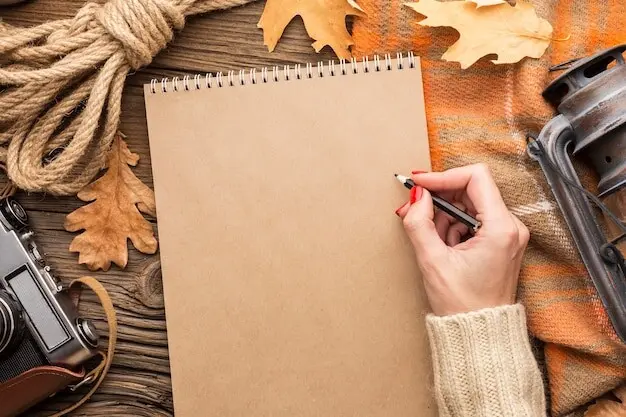
Treat your journal as a companion that gathers miles with you, accepting crumbs, bent corners, and unexpected stamps you tuck inside. Establish a simple system: one elastic band for loose ephemera, one pocket for addresses, one ribbon for your current page. Date entries with departure and arrival cities, sketch quick maps of crossings, and note currencies exchanged. Over time, the notebook stops being a container and becomes a conversation between your moving feet and the places that welcomed them.

Finding Friends Afar: Pen Pal Networks and Gentle Etiquette
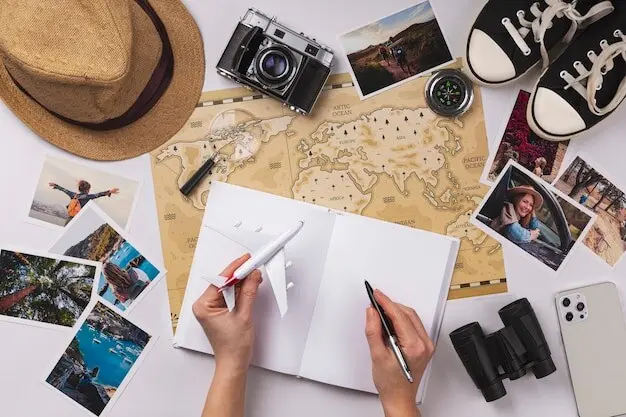
Across borders, friendships can begin with a stamp and a careful hello. Seek communities that value patience over speed and craft over clout. Introduce yourself with a few anchor details—favorite café window, preferred ink color, current horizon—and signal reply expectations kindly. Respect addresses as confidential treasures, avoid photographing private notes without permission, and welcome delays with empathy. In this slow exchange, trust grows like margins filling with tiny drawings and shared rituals shaped by reliable, human time.

Keeping Memories Safe: Archiving, Scanning, and Story Indexes

The mailbox closes, but the archive opens. Protect postcards from light and humidity using acid-free sleeves, then scan both sides at high resolution to preserve postmarks, textures, and tiny fingerprints. Add metadata—date sent, route hints, companions present—so future you can find the card that mentions peaches and thunderstorms. Journals deserve similar care: cloth tape for spines, breathable boxes, and gentle handling. Bless the future reader by making today’s details retrievable, legible, and alive beyond their immediate arrival.

Creative Mail: Handmade Cards, Artistamps, and Playful Marks

Imagination travels well when it respects postal rules. Craft mailable collages that keep thickness within limits, leave room for cancellations, and resist weather with a transparent wash. Explore artistamps as decorative labels without imitating official postage, celebrating places, inside jokes, or invented constellations. Rubber stamps, embossing, and delicate stitching transform the journey into performance art, where each clerk’s mark becomes a collaborating signature. The result is both message and object, both hello and traveling exhibition.

Join the Route: Challenges, Prompts, and Shared Stories
Your turn to send something that crinkles, rustles, and remains. Start with one postcard this week, then a journal entry that answers a reply you hope to receive. Subscribe for monthly prompts, postal tips, and gentle reminders to keep rituals steady. Share your small victories in the comments—arrivals, delays overcome, a particularly charming cancellation—and encourage newcomers with practical kindness. Together we can make the cross-border route vivid again, one careful address and patient stamp at a time.
Laxipexidarikarotari
Privacy Overview

This website uses cookies so that we can provide you with the best user experience possible. Cookie information is stored in your browser and performs functions such as recognising you when you return to our website and helping our team to understand which sections of the website you find most interesting and useful.