
From Peaks to Tides: Unhurried Analog Days Along a Mountain-to-Sea Corridor
Today we wander into Alps to Adriatic: Slow Analog Living, savoring the hush between glacial blue and salt-silver horizons. Expect paper maps creased with intent, film grain catching mountain light, handwritten messages drying in sea breeze, and unhurried trains that keep patience honest. We will trade algorithms for footsteps, notifications for church bells, and the pressure to hurry for the practice of noticing. Bring a pen, an empty pocket for stones, and time enough to miss a connection and gain a story.
Mapping Quiet Distance
A pencil line from snowfields to salt pans becomes a compass for unhurried choices. We sketch with contour lines and coastlines, not to conquer kilometers but to court moments: a valley fog lifting near dawn, the first gulls over a port, the soft slap of water against stone quays. Along the way, names like Soča, Triglav, Karst, and Istria turn into companions. Let the paper crease, let the eraser shed crumbs, and let each detour crown the day rather than delay it.
Pencil Over Paper
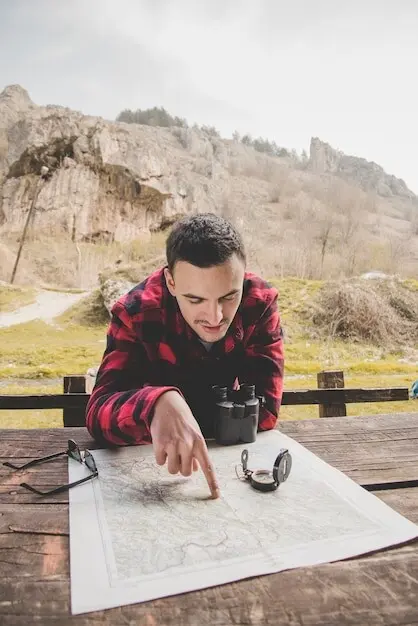
Lay the map flat, anchor the corners with a pocketknife and a smooth pebble, then glide a dull pencil along the ridge lines until valleys gather like thoughts before speech. When the graphite smudges, you have proof of wondering. Circle a hut, bracket a chapel, underline a ferry schedule by hand. Share a photo of your penciled route with us, describe the hesitation you felt at a crossroads, and tell us which margin note became your favorite memory long after arrival.
Landmarks That Slow You
Choose bell towers that toll the hour slightly late, linden trees shading benches that invite unplanned paragraphs, and stone troughs where horses once drank and travelers still linger. Mountain huts promise broth and wool blankets; coastal salt pans glimmer with patient work and endless sky. When a path meets a shepherd’s fence, ask and listen. When the trail opens to a cliff, inhale the pause. Let these landmarks interrupt urgency and teach the value of purposeful loitering.
Weather As Companion
From the dry whisper of the föhn slipping down cold slopes to the abrupt charisma of the bora combing the gulf, weather becomes a collaborator rather than an obstacle. Carry a waxed jacket, a humble hat, and enough willingness to wait. Mist will grant mystery to a ruined fort; sun after rain will varnish cobbles into texts your boots can read. Record forecasts by hand, then write how the day differed. Differences make the diary glitter with real, lived weather.
Choosing a Forgiving Film Camera
Reach for a reliable body that feels like conversation, not ceremony. Something with a needle meter you can trust in glare off snow and shine off water, and a shutter sound polite enough for churches and kitchens. Bring two films: a steady 400 for shadows and ferries, a slower stock for sunlit limestone. Accept blur that tells truth. When you finally lift the viewfinder to your eye, count to three before releasing. Then describe to us what changed between deciding and doing.
Notebooks That Invite Patience
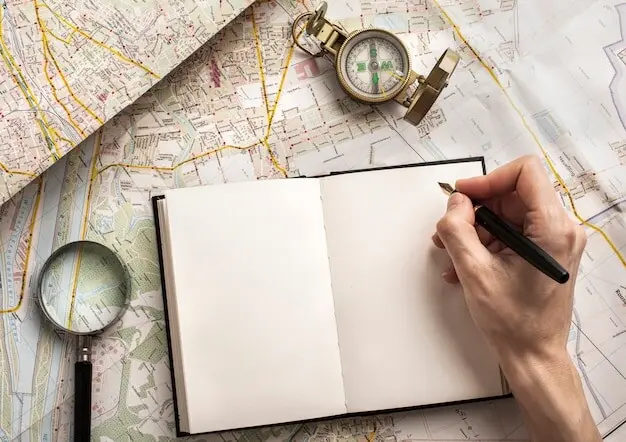
Choose paper with a slight tooth, the kind that lifts ink into character and keeps pencil honest. Sewn spines lie flat on wobbly café tables; rounded corners ignore backpack zippers. Number pages, date the margins, and let sketches steal space from sentences. Tape a ticket here, a leaf there, a wrinkled receipt that smells faintly of oranges and machine oil. Tell us which pen makes you slow down, how wide you prefer your lines, and what silence your notebook seems to ask for.
Mechanical Time and the Art of Missing Trains
Wind your watch each morning with the same patience you’ll use to wait on a small platform between mountains. If a train doors-shut without you, write the story of the late pastry, the station cat, the stranger’s advice that would have been missed. Let time be companionable, not corrective. Report back on the minute hand that taught you to linger, the coffee that tasted better when unhurried, and the gentle arithmetic of arrival when no one expected you sooner.
An Analog Toolkit for the Journey
Pack objects that ask something of you in return: a mechanical watch that refuses to glow at midnight, a fountain pen that rewards a gentler wrist, and a film camera that slows your thumb and sweetens attention. Add a slim cassette recorder or a pocket radio for voices on distant frequencies. A cloth for lenses, tape for torn spines, and envelopes for pressed leaves. Share what you carry, explain why it earned its weight, and invite others to borrow your care.
Morning at an Alpine Dairy
Arrive before the steam thins, when the door fogs at your breath and the room smells of hay turned into milk. A copper cauldron murmurs, a wooden paddle answers, and curds rise like cautious pillows. Someone offers a slice still warm, rind shy, salt modest. You spread jam that remembers last July. Record the names on the aprons if welcomed, sketch the cheese bellies like soft hills, then tell us how the taste clarified the color of the morning.
Karst Cellars and Long Shadows
Walk down stone steps that drink summer heat and return you to steady cool. Thin-sliced prosciutto hangs like soft flags, terrano waits in dark bottles with a secret fizz of minerality. Taste becomes patience translated through seasons and careful knives. Outside, the bora scrapes the plateau clean and hang-dried meat earns its sweetness. Note the vintner’s story, the family dog’s patrol, the chalk mark on a beam that counts years. Share your simplest pairing that still felt like ceremony.
Dawn at the Trieste Fish Market
Watch crates of sardines flash like sequins under lamps, octopus arms glisten, and old recipes get measured with fingers pinched above the scales. Listen for risotto suggestions offered in two languages and a shrug that means trust me. Choose something you barely recognize and ask how not to offend it. Bring it to a rented stove, turn heat low, and learn the pace of oil when it tells stories. Send us the scent you can’t name that tasted like forgiveness.
Foodways from Snowfields to Salt
A bowl of barley soup steaming by a hut window rhymes with octopus salad chilled under a striped awning. Taste becomes a map stitched with broths, brines, and field-warm fruit. Alpine dairies hum with copper kettles; Karst cellars exhale stone-cool patience; coastal markets crackle with voices and ice. Write the dishes in your notebook like place names, then the hands that served them. Tell us where butter tasted like meadow, where oil tilted toward artichoke, and where bread synchronized a table of strangers.
Moving Slowly: Rails, Trails, and Oars
The corridor between crags and coves rewards vehicles that keep conversation audible: local trains with windows that open, bicycles that hum like pencils, and rowboats willing to translate wind into progress. Schedules matter, then loosen; hills matter, then teach you to rise earlier. A day stretches when speed softens. We trade highway noise for station announcements, switchbacks for tunnels, and engines for wrists and calves. Write us after your first day without a dashboard, explaining how distance changed flavor when your breath kept tempo.
Makers, Letters, and the Weight of Hands
Between mountain workshops and coastal studios, tools speak dialects of patience. Bobbins click like rain on slate; chisels exhale cedar; letterpress rollers whisper thunder. We collect addresses the way others collect souvenirs, because a postcard written well outlasts receipts and rushing. Collaboration becomes a neighborly verb: tasting, touching, mailing, mending. When you meet a craftsperson, ask about time rather than sales. Then write us a letter describing the grain of their table and the first sentence their work put in your mouth.
A Lace Room in Idrija
Light through thin curtains turns spools into small planets. Fingers move without spectacle, counting beats learned from mothers and aunts, pattern cards heavy with memory guiding the dance. Each knot records patience, not difficulty. You hold a finished piece that feels like bottled weather. Ask permission to sketch the pattern’s path, to note where silence concentrates. Buy something small if you can, and certainly buy the story. Share a photograph of your handwriting beside the lace, describing the calm it summoned.
Letterpress Ink and Quiet Thunder
Type nests in cases like a city asleep. A compositor pinches letters, left to right, upside down, teaching the brain to greet mirror-world sense. Ink settles on rollers with the authority of an old river; paper waits with spine straight. The press breathes, then speaks. Commission a single card for your journey’s address, or a line from your notebook that deserves heft. If you receive it in the mail later, tell us how distance sharpened meaning and which smudge you loved most.
Postcards as Conversations
Write with the generosity you wish to receive: weather first, then something small that only you noticed, then a question to keep the thread alive. Stamp choices become tiny curations of place. Drop the card into a box with paint chipped by decades, then walk away without refreshing anything. Invite us to swap postal routes, share your safe mailing details privately, and we will trade a slow note soon. Describe the delay’s odd joy, and the sound your mailbox made that morning.
Seasonal Almanac: From First Snow to First Swim
Mark the corridor by ritual rather than dates: the first stove kindled in a hut, the first wild garlic picked near a cold stream, the first cherry pitted on a sunny step, the first swim where stone meets sea. Each gesture anchors a season in muscle memory. Prepare a page per month and let it gather events you feel more than plan. Send us your entries, your small triumphs, your revised traditions, and we will collect them into a living, shared almanac.
Winter: Bells Over White Roofs
Snow moralizes footsteps into whispers, and the air tastes like a clean slate. In villages, bells mark evenings that come early but linger. Soups thicken; windows glow softly; skis scratch truth into blank fields. Write the names of constellations you finally learned. Carry a book heavy enough to slow a pocket, and a pencil that does not mind cold paper. Tell us about the inn that welcomed your wet gloves to the stove, and what you promised yourself while drying.
Spring: Thaw and the Green Rush
Rivers fatten, paths loosen, and the first market table smells like damp earth turning language into salads. Wild garlic hides in plain sight, nettles ask politely for gloves, and lambs invent afternoon choruses. Switch from wool to canvas with ceremony. Film stocks prefer shade now; ink dries faster outdoors. Describe the bloom you almost missed and the older neighbor who pointed it out. Send us your earliest picnic, your chosen hill, and the sentence you wrote that felt like sap rising.
Summer: Salt on Shoulders, Resin on Hands
Cicadas tune the afternoon to drowsy joy while pines drip perfume onto paths that end in coves. You swim before breakfast and nap after maps. Bread needs less help; tomatoes need only salt. Choose shade like a scholar chooses sources. Let your watch tan a pale circle onto your wrist. Exposures quicken; shutters forgive sun. Write about the pier that rocked you into reading, the ferry you waved goodbye to happily, and the gentle grit left behind that felt like a souvenir.
All Rights Reserved.